
Rubber
Our comprehensive testing services push products to their limits, ensuring they’re ready for the demands of everyday use. We test to established standards and requirements and can also develop custom methods that meet customer-defined applications.
Tensile Strength and Elongation
ASTM
ASTM D412
ISO
ISO 37
IS
IS 3400 - Part 1
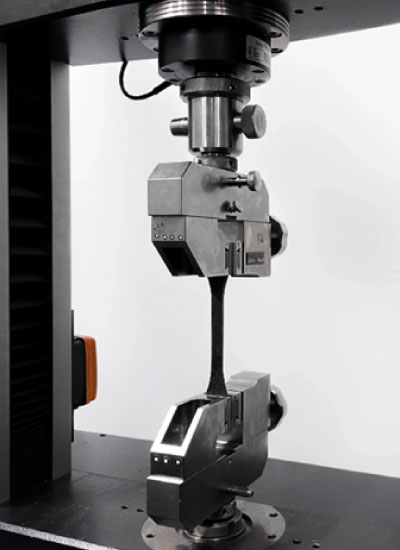
Tensile and elongation testing are fundamental mechanical evaluations used to determine the strength, flexibility, and durability of materials under applied force. In a tensile test, a sample is subjected to a controlled pulling load using a universal testing machine, and the force required to stretch the sample is measured. This helps in determining key properties such as tensile strength and strain dependent elastic modulus. yield strength, and modulus of elasticity. These parameters indicate how a material will perform when exposed to real-world conditions involving tension, stretching, or pulling forces.
Elongation testing, carried out simultaneously during the tensile test, measures the material’s ability to deform before breaking. It is expressed as a percentage increase in length from the original dimension. Higher elongation values typically indicate a more flexible or ductile material, while lower values suggest brittleness or rigidity.
Together, tensile and elongation results provide valuable insights into material behavior, aiding in quality control, product development, and compliance with industry standards. These tests are essential across various sectors, including polymers, metals, textiles, rubber, and composites. Our laboratory ensures precise testing under standardized conditions, delivering accurate and reliable data to support engineering decisions and material selection.
Hardness
ASTM
ASTM D2240
ISO
ISO 48-2 and ISO 48-4
IS
IS 3400 - Part 23
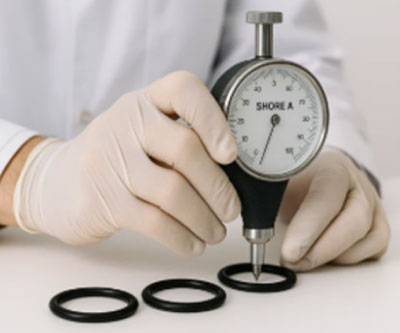
Hardness testing is a key mechanical evaluation used to determine a material’s resistance to indentation, scratching, or permanent deformation. It provides a quick and reliable indication of how a material will perform when subjected to forces such as wear, abrasion, impact, or mechanical stress during its service life. Depending on the type of material and the required accuracy, different standardized hardness measurement methods may be used, including Shore, Rockwell and IRHD hardness scales.
In hardness testing, a specific indenter is pressed into the material under a defined force, and the resulting indentation depth or size is measured. For example, Shore hardness is commonly used for rubber, elastomers, and soft plastics, while Vickers and Rockwell methods are often applied to metals and harder polymers. These values help classify materials as soft, medium, or hard, ensuring they meet performance and durability requirements.
Hardness results play an important role in quality control, material development, and production consistency. They are also used to compare material batches, verify manufacturing processes, and confirm compliance with customer or industry specifications. Our laboratory offers precise and repeatable hardness testing carried out under standardized environmental and procedural conditions, ensuring dependable results for informed material selection and performance assessment.
Tear Strength
ASTM
ASTM D624
ISO
ISO 34-1
IS
IS 3400 - Part 17
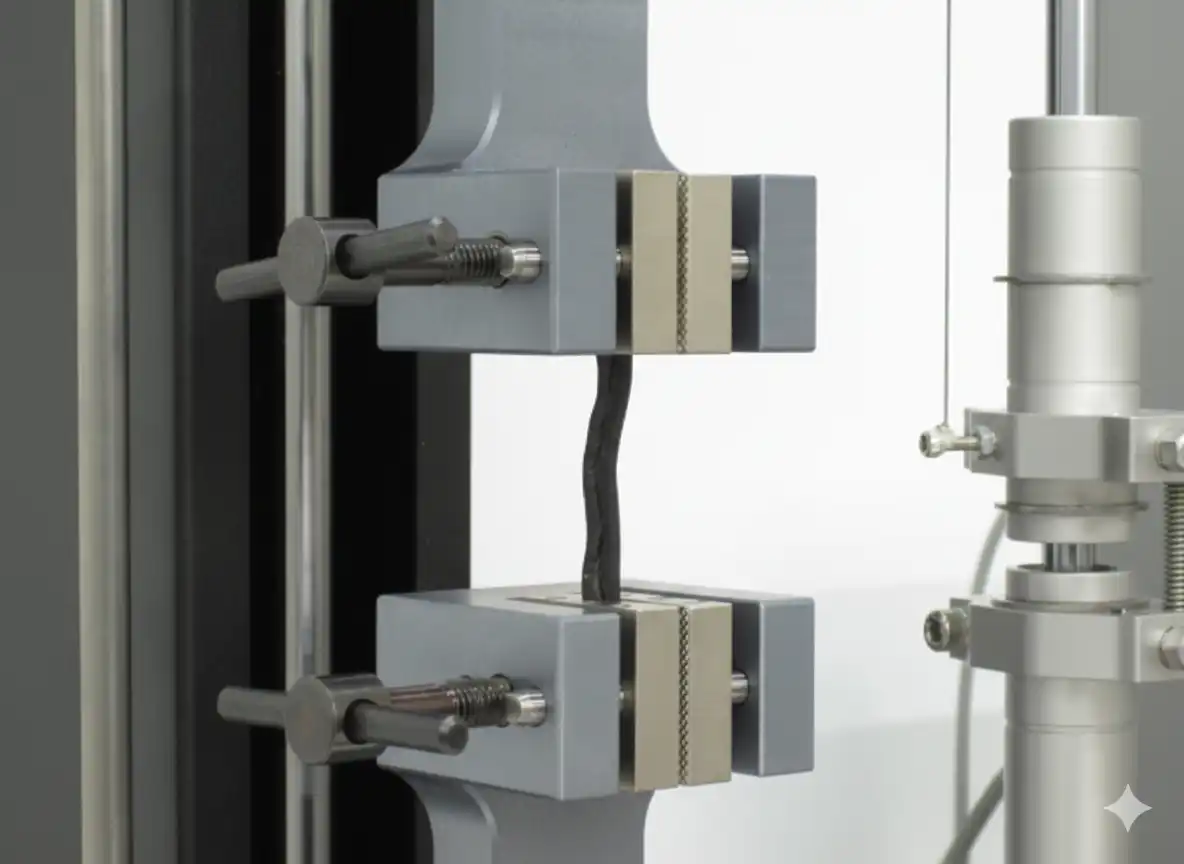
Tear strength testing is an essential mechanical evaluation used to measure a material’s resistance to the propagation of a tear once a cut or nick has been introduced. This property is particularly important for flexible materials such as rubber, elastomers, films, coated fabrics, foams, and certain plastics, which may be subjected to stretching, bending, or impact during use. Tear strength provides insight into how well a material can withstand real-world handling, abrasion, or sudden stress without failing.
During the test, a pre-notched sample is pulled apart at a controlled rate using a universal testing machine, and the force required to continue the tear is recorded. Standard test methods such as ASTM D624 for rubber or ASTM D1004 for plastics ensure consistency and comparability of results. Higher tear strength indicates better durability and resistance to crack growth, while lower values may suggest susceptibility to sudden failure under load.
Understanding tear strength is crucial in product design, material selection, and quality control, especially in applications such as automotive components, industrial seals, footwear, medical devices, packaging materials, and outdoor equipment. Our laboratory performs tear strength testing with precision and adherence to international standards, delivering reliable data to support performance evaluation and product optimization.
Load Deflection/Compressibility
ASTM
ASTM D575
The Load Deflection and Compressibility Test (ASTM D575) is a fundamental method to determine how much a rubber compound deforms when subjected to a specific compressive force. This property is crucial for the design and performance validation of dynamic and static components, such as vibration dampeners, shock absorbers, mounting bushings, and compression stops, where precise stiffness and load-bearing capacity are required.
Our Polymer Testing Lab utilizes specialized compression testing equipment to accurately measure the relationship between the applied force (load) and the resulting change in thickness (deflection) of a standardized rubber specimen. The test assesses the material’s stiffness and its ability to maintain dimensional stability under pressure. We typically follow two primary procedures:
Method A (Constant Load): The force required to produce a specific deflection is measured.
Method B (Constant Deflection): The deflection resulting from a specific load is measured.
The data generated creates a stress-strain curve under compression, which is essential for engineering design and quality control. A reliable load-deflection profile ensures that your rubber parts will correctly manage forces and absorb energy as intended in their final application. Choose Attuned Polymer Laboratory for certified rubber mechanical testing services in India.
DIN Abrasion
ASTM
ASTM D5963
ISO
ISO 4649
IS
IS 3400 - Part 3
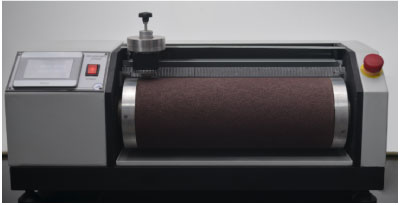
The DIN Abrasion Test, conducted according to ASTM D5963 (Method A), is a key service offered to quantify the resistance of vulcanized rubber to frictional wear and material loss. This test is vital for evaluating the long-term durability of rubber products that encounter constant sliding contact, such as treads (tires, footwear, tracks), conveyor belts, rollers, and scraper blades. We utilize a DIN-type abrasion testing machine where a cylindrical rubber specimen is subjected to abrasive action under a specified load. The specimen is allowed to slide a known distance over a rotating drum covered with a standardized abrasive sheet.The abrasion resistance is determined by precisely measuring the mass loss or volume loss of the test specimen after the test duration. The result is often expressed as the abrasion resistance index or the volume loss in cubic millimeters. A lower volume loss indicates superior wear resistance, correlating directly to a longer service life and better performance in high-friction environments. Trust Attuned Polymer Laboratory for accurate and certified rubber durability testing to guarantee the wear life of your critical components.
Ross Flex
ASTM
ASTM D1052
IS
IS 3400 - Part 16
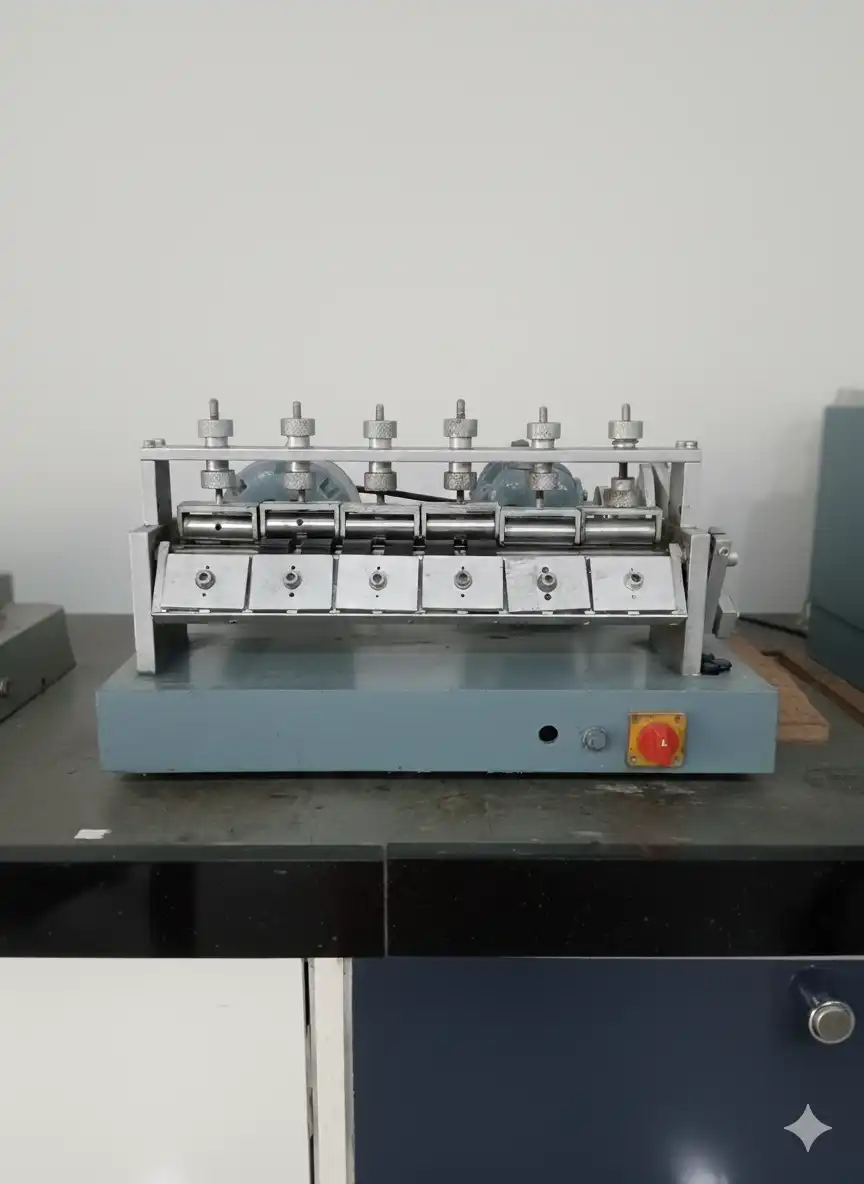
The Ross Flex Test, standardized under ASTM D1052, is a critical method for assessing the resistance of vulcanized rubber to flex cracking and crack growth under repeated flexing. This test is vital for materials used in dynamic applications that undergo continuous bending or flexing during service, such as belts, hoses, footwear components, and bellows. The test utilizes a specific machine that repeatedly bends a small, thin rubber specimen at a 90 deg. angle over a sharp edge while it is held in a clamped position. A standardized small cut or groove is typically introduced in the test piece before the test begins to serve as a stress concentration point. The apparatus cycles the specimen until a pre-determined number of flexes is reached or until the crack length extends to a specified measurement, often 25.4 mm (1.0 inch).The results are reported as the number of flex cycles required to achieve the critical crack growth. A higher number of cycles signifies superior resistance to flex fatigue and crack propagation, indicating a more robust and durable compound for dynamic applications.
Demattia Flex
ASTM
ASTM D813 and ASTM D430
DeMattia Flex – ASTM D813 & ASTM D430
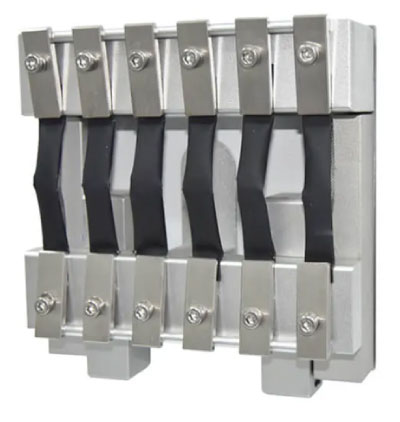
The DeMattia Flex Test is a highly effective method for evaluating the dynamic fatigue resistance of vulcanized and thermoplastic rubber materials. This testing procedure estimates the material’s ability to withstand repeated bending or flexing without failing, simulating real-world service conditions in products like tires, belts, footwear, and automotive components.
Test Description
The testing is covered by two primary ASTM standards, which focus on different aspects of fatigue:
ASTM D430 (Method B): This standard covers the Dynamic Fatigue of rubber, utilizing the DeMattia Flexing Machine to evaluate a material’s resistance to the initiation of cracking under repeated bending or extension. It assesses the material’s overall fatigue life.
ASTM D813: This standard is specifically for Crack Growth, determining the rate at which an existing crack or cut propagates in a pierced rubber specimen when subjected to repeated bending strain. This method is particularly useful for materials that inherently resist crack initiation, often utilizing a small, standardized artificial cut to accelerate failure and provide comparative data on crack growth resistance.
In both methods, standardized specimens are clamped into the DeMattia machine, which subjects them to continuous, controlled flexing cycles. The results are reported as the number of cycles required to initiate a crack (D430) or the rate of crack growth over a set number of cycles (D813). A high cycle count and a slow crack growth rate indicate superior flex-life and long-term durability, crucial for high-performance dynamic rubber applications. Trust Attuned Polymer Laboratory for your accurate rubber fatigue testing needs.
Rebound Resilience
ASTM
ASTM D2632
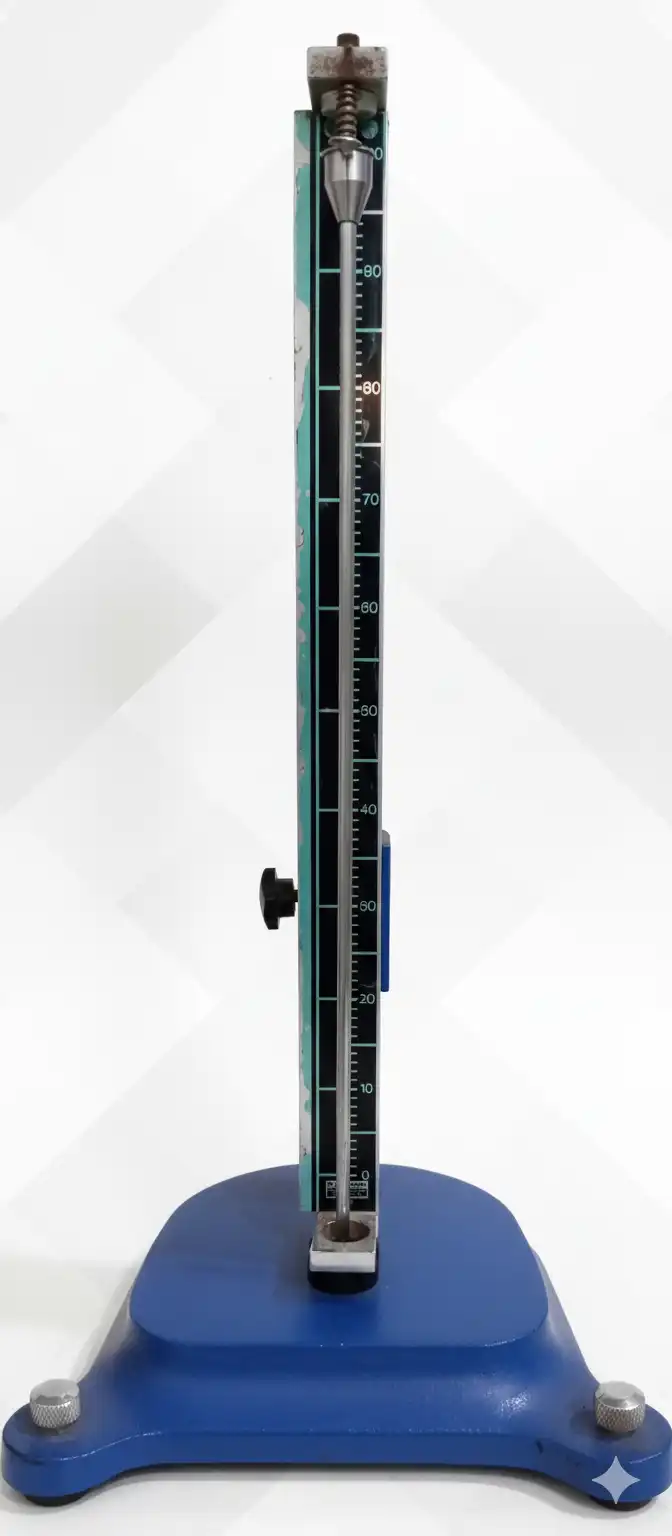
The Rebound Resilience test, performed according to ASTM D2632, is a crucial dynamic property assessment for vulcanized rubber. This test measures the elasticity of a rubber compound, specifically its ability to quickly return stored energy after rapid deformation upon impact.
Our laboratory uses the standard Graves Rebound Pendulum apparatus for this test. The procedure involves dropping a weighted plunger from a fixed height onto a standardized rubber test specimen. The height of the rebound is then measured. The rebound resilience is calculated as the ratio of the potential energy returned (indicated by the rebound height) to the potential energy initially stored (indicated by the drop height), expressed as a percentage.
A higher percentage indicates greater elasticity and a better ability to dissipate less energy as heat during dynamic stress cycles. This property is vital for applications like tires, vibration dampeners, seals, and athletic footwear, where minimizing energy loss and ensuring quick recovery are critical to performance, efficiency, and longevity. This test is essential for quality control and material development, allowing manufacturers to optimize formulations for desired dynamic characteristics. Choose Attuned Polymer Laboratory for reliable dynamic rubber testing services to ensure your products meet global performance and durability standards.
Air Ageing
ASTM
ASTM D573
ISO
ISO 188
IS
IS 3400 - Part 4
The Air Ageing Test is a fundamental method offered by Attuned Polymer Laboratory to determine how rubber materials resist deterioration over time when exposed to elevated temperatures in the presence of air. This accelerated testing is crucial for predicting the long-term service life and shelf life of components like seals, gaskets, belts, and hoses used in hot environments, such as engine compartments or industrial machinery. Our specialized Rubber Testing Lab places standardized test specimens in a circulating air oven at a carefully controlled, elevated temperature (e.g., 70 deg Celsious or 100 deg Celsius) for a specified duration (e.g., 70 hours, 168 hours). The high temperature accelerates the oxidation and thermal degradation process that occurs naturally over many years. After the ageing period, the specimens are removed, cooled, and re-tested for key mechanical properties, including Tensile Strength, Elongation at Break, and Hardness. The results are expressed as the percentage change in these properties compared to the original, un-aged values. A small change indicates excellent heat and oxidation resistance, ensuring that the rubber compound will maintain its performance and structural integrity throughout its intended service life. This data is essential for material certification and quality assurance.
TGA (Thermogravimetric Analysis)
Thermogravimetric Analysis (TGA) is one of the most commonly used analytical techniques in the rubber and elastomer industry because it provides fast, quantitative information about a compound’s formulation, thermal stability, and degradation characteristics. It plays a key role in reverse engineering, quality control, and material comparison.
TGA measures the change in mass of a rubber sample as it is heated under controlled temperature and atmosphere. As the temperature increases, components decompose, volatilize, or oxidize. The mass loss events observed correlate to the material’s formulation and thermal behavior.
It helps in indentifying the volatile content, carbon black percentage, mineal filler content, ash content and is very beneficial for comparative analysis.
Low Temperature (TR 10, Stiffening point, flexibility)
ASTM
ASTM D2137 & ASTM D746
ISO
ISO 1432
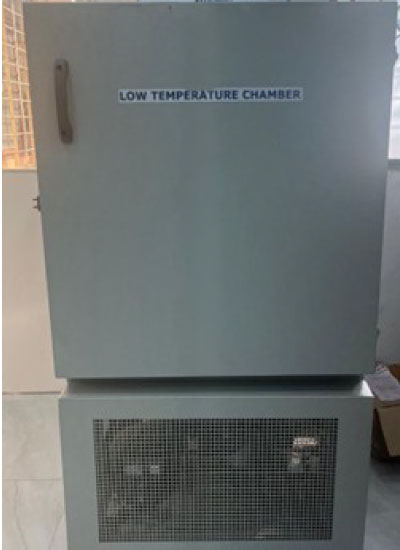
The Low-Temperature Brittleness test, conforming to ASTM D2137, is a fundamental test for determining the lowest temperature at which a vulcanized rubber or plastic material will not fracture or crack when subjected to a sudden, high-speed impact. This property is absolutely essential for materials operating in cold environments, as many polymers lose their elasticity and become brittle as the temperature drops. The test utilizes a specialized apparatus that cools the test specimens to a precisely controlled low temperature. Standardized specimens are cantilevered (held at one end) and then suddenly struck by an impact arm moving at a high velocity. This rapid application of stress is designed to determine the point at which the material transitions from an elastomeric (flexible) state to a glassy (brittle) state.The result is reported as the Brittleness Temperature, which is the highest temperature at which 50% of the specimens tested fail upon impact, or simply the temperature at which a specified percentage of samples fail. A lower value indicates better low-temperature performance and is critical for applications such as automotive seals, gaskets, cables, and outdoor equipment that must maintain their integrity and functionality in sub-zero conditions. This test provides essential data for material selection and formulation to ensure reliability in challenging temperature extremes.
The Low-Temperature Brittleness test, as detailed in ASTM D746, is a standardized impact method used to determine the temperature at which plastics and elastomers (including rubber) exhibit brittle failure. This is a crucial measure for materials intended for use in cold-weather applications, where a sudden drop in temperature can cause a material to rapidly lose its elasticity and shatter upon impact or sudden deformation. The procedure involves securing standardized test specimens as cantilever beams within a specimen holder. This holder is then immersed in a temperature-controlled bath to chill the samples to a specified test temperature. A striking edge is then propelled at a high, specified velocity (typically 2000+- 200 mm/s) to impart a sudden impact on the specimens.After impact, the specimens are inspected for brittle failure, which is defined as fracture into two or more pieces or any visible crack. The test is repeated at different temperatures, and the final result reported is the Brittleness Temperature. This is statistically determined as the temperature at which 50% of the specimens tested would fail under the specified impact conditions. A lower temperature signifies a superior ability to remain flexible and functional in extremely cold environments, making this test essential for quality control and material selection in industries like automotive, aerospace, and construction. Trust Attuned Polymer Laboratory for accurate and certified low-temperature rubber testing that ensures your materials withstand extreme thermal conditions.
Low temperature retraction

ASTM
ASTM D1329
The Low-Temperature Retraction Test (ASTM D1329) is a critical method offered by Attuned Polymer Laboratory to assess the temperature-related flexibility and elastic recovery of vulcanized rubber and other elastomers. This test is essential for predicting the performance of components like seals, gaskets, and diaphragms that must remain functional and flexible in cold climates without hardening.A stretched specimen (typically 50% elongation) is clamped under tension and cooled to a very low temperature. The clamp is then released, and the temperature is gradually increased while the percentage of retraction is recorded. The results are reported as TR values. A lower TR value indicates that the rubber remains elastic and recovers its shape at lower temperatures, signifying superior cold-flex performance.
Compression Set at low temperature

ASTM
ASTM D1229
The Compression Set at Low Temperature Test (ASTM D1229) is a specialized procedure to assess the ability of rubber seals and gaskets to maintain sealing force after being compressed and exposed to sub-zero temperatures. Unlike standard compression set tests, this method evaluates the permanent loss of thickness and elastic recovery specifically under cold, static conditions.
A standardized specimen is compressed by a fixed amount and placed in a low-temperature chamber for a specified period (e.g., 22 or 96 hours). The cold exposure temporarily stiffens the material, hindering its recovery. After removal and a recovery time at room temperature, the final thickness is measured. A low compression set percentage indicates that the rubber retains its elastic properties even after severe cold exposure, ensuring reliable sealing performance in cold-weather applications like refrigeration seals and outdoor automotive components.
Polymer Identification
ASTM
ASTM D297 - Part B
Polymer Identification, detailed in ASTM D297 (Part B) gives the procedure to chemically identifiy the base elastomer used in a rubber compound. This is essential for reverse engineering, quality control, and failure analysis to ensure the correct polymer is used.
We employ analytical techniques to determine the presence of polymers like NR, SBR, EPDM, or NBR. This definitive identification verifies material compliance against specifications, preventing costly production errors and field failures. Trust our chemical analysis services for accurate rubber compound verification.
Fluid Ageing - Oil, Water and Chemicals
The Fluid Ageing Test (ASTM D471) is a critical assessment to test how rubber materials resist degradation when immersed in various oils, water, fuels, and chemicals. This is crucial for components like seals, O-rings, and hoses that are in continuous contact with service fluids.
Specimens are immersed in specified liquids at controlled temperatures for a set duration. Post-immersion, changes in properties like volume, hardness, tensile strength, and mass are measured. This data verifies the material’s chemical compatibility and long-term durability, ensuring reliable performance in demanding fluid environments.
ASTM
ASTM D471
ISO
ISO 1817
IS
IS 3400 - Part 6
Acetone extract

ASTM
ASTM D297
The Acetone Extract Test, detailed within ASTM D297, is a fundamental chemical analysis which measures the percentage of acetone-soluble organic materials in a vulcanized rubber compound. This includes substances like plasticizers, softeners, waxes, protective antioxidants, and unreacted curatives.
We use a Soxhlet extraction apparatus to treat a precisely weighed rubber sample with boiling acetone for a set time. The soluble materials are dissolved and recovered. The residue is weighed, and the Acetone Extract percentage is calculated. This test is vital for quality control and ensuring that critical compound ingredients are present in the correct amount to prevent issues like stickiness or poor aging resistance.
Ash content
ASTM
ASTM D297 & ASTM E1131
The Filler Content (Ash Content) Test, detailed within ASTM D297 (Standard Test Methods for Rubber Products—Chemical Analysis), is a fundamental procedure offered by Attuned Polymer Laboratory to quantify the non-combustible, inorganic filler materials present in a rubber compound. This test is vital for quality control and verifying that the correct type and proportion of reinforcing agents (e.g., carbon black, silica) or mineral fillers (e.g., clay, calcium carbonate) have been incorporated into the rubber formulation.
Test Description
A precisely weighed rubber sample is heated in a muffle furnace at a high, specified temperature until all organic material is completely combusted. The residual, non-combustible material is the ash. The Ash Content is calculated as the percentage of the original sample weight that remains as ash. This measurement ensures the compound meets specifications, which directly impacts properties like hardness, tensile strength, and cost.
FTIR (Fourier-Transform Infrared Spectroscopy)
Fourier Transform Infrared Spectroscopy (FTIR) is a widely used analytical technique in rubber characterization. It provides information about the chemical structure, functional groups, and additives present in both raw polymers and fully compounded rubber products. It is especially powerful for polymer identification and qualitative comparison.
FTIR measures the absorption of infrared radiation by molecular bonds within a material. Each polymer, additive, or chemical group absorbs IR energy at specific wavelengths, producing a characteristic spectrum—often called the “chemical fingerprint.”
It helps in identifying the base polymer, presence of blended polymers, additives such as oils, waxes, flame retardans. FTIR is often used for reverse engineering, quality control and comparative analysis
ISO
ISO 4650
Compression Set
The Compression Set test, governed by ASTM D395, is a crucial measure of a vulcanized rubber material’s ability to return to its original thickness after being held under a constant compressive load or constant strain for an extended period at a specified temperature. This property is vital for rubber components like seals, O-rings, and gaskets that must maintain long-term sealing force and function reliably under continuous pressure.The test assesses how much a rubber specimen permanently deforms, or takes a “set,” after the compressive force is removed. Our laboratory utilizes two primary methods under this standard:
Method A (Constant Force): The specimen is subjected to a specified compressive force for the duration of the test.
Method B (Constant Deflection): The specimen is compressed to a specified percentage of its original thickness (constant strain).
In both methods, the compressed specimens are placed in an oven at a specified elevated temperature and held for a defined duration. After the test period and a brief recovery time, the final thickness of the specimen is measured. The Compression Set is then calculated as the percentage of the initial deflection that was not recovered. A lower compression set percentage indicates a superior seal material, meaning the rubber compound retains its elastic properties and sealing capability over time and temperature. A high compression set suggests the material has become permanently deformed and will fail to provide the necessary restorative force to maintain a tight seal, leading to leakage or product failure. Rely on our Polymer Testing Services for accurate rubber compression set testing to validate the long-term sealing performance of your critical components.
ASTM
ASTM D395
ISO
ISO 815
IS
IS 3400 - Part 10
Tension Set
The Tension Set Test, a component of the broader Tensile Testing Standard ASTM D412, is performed by Attuned Polymer Laboratory to measure the permanent deformation of a rubber material after it has been held under a specified tensile (stretching) strain for a set period and temperature. Unlike tensile strength which measures breaking force, this test quantifies the material’s failure to return to its original length.
A standardized dumbbell-shaped specimen is stretched to a defined percentage of its original length (e.g., 50% or 100%) and held, often at an elevated temperature, for a fixed time. The specimen is then released and allowed a recovery period. The Tension Set is calculated as the permanent increase in length, expressed as a percentage of the original strained length. A lower Tension Set percentage indicates superior elastic recovery, which is crucial for components like bands, straps, and seals that require long-term dimensional stability and elastic function.
ASTM
ASTM D412
Ozone Resistance

Ozone Exposure – ASTM D1149 & ASTM D1171
The Ozone Exposure tests are crucial for evaluating the resistance of vulcanized rubber to degradation caused by atmospheric ozone. Ozone is a highly reactive gas that attacks the unsaturated double bonds in many common rubber polymers, leading to the formation of surface cracks that can severely compromise the material’s mechanical properties and ultimate lifespan. This testing is essential for rubber components used in outdoor or electrically-charged environments, such as tires, automotive weatherstripping, seals, and wire insulation.
Our laboratory performs testing to two primary ASTM standards, allowing for both precise laboratory control and real-world simulation:
ASTM D1149 (Cracking in an Ozone Controlled Environment): This test is conducted within a specialized ozone test chamber where the ozone concentration, temperature, and humidity are precisely controlled. It allows for accelerated time/exposure testing under static (fixed strain) or dynamic (continuous flexing) conditions. This method provides the most repeatable and comparable data for quality control and compound development, helping predict material performance under various operational stresses in an ozone-rich atmosphere.
ASTM D1171 (Surface Ozone Cracking Outdoors or Chamber): This standard focuses on the surface ozone cracking of soft rubber materials, often using triangular specimens. It offers two methods:
Outdoor Exposure: Specimens are subjected to natural weathering conditions, providing a direct, non-accelerated assessment of long-term durability.
Chamber Exposure: Similar to D1149 but often using the specific triangular specimen shape and evaluation criteria (e.g., comparison to reference photographs for a rating).
The results for both standards are typically assessed by observing the extent and severity of surface cracking over the exposure duration. A high resistance to cracking indicates a more robust compound, often achieved through the use of ozone-resistant polymers or the incorporation of protective antiozonants and waxes in the formulation.
ASTM
ASTM D1149
ISO
ISO 1431
IS
IEC 61854
Compression set relaxation

The Compression Stress Relaxation Test, conducted under ASTM D6147, is an essential procedure offered by Attuned Polymer Laboratory to quantify the long-term effectiveness and durability of rubber materials used in sealing applications. Unlike Compression Set which measures permanent deformation, this test specifically measures the decay of the sealing force a compressed rubber component can exert over time at a defined temperature.
The test utilizes an apparatus that compresses a standardized rubber specimen to a specified initial strain. The specimen is then held under this constant deflection, often at an elevated temperature, for an extended period. Throughout the test, a force transducer continuously monitors and records the reduction in the compressive force exerted by the specimen.
The result is typically expressed as the percentage of stress (force) retained after a given time. A high percentage of retained stress indicates that the material maintains its elastic properties and sealing capability longer. This is critical for predicting the lifespan of seals, gaskets, and O-rings, especially in applications like flange sealing or engine components, where the loss of sealing force could lead to catastrophic failure. Trust our polymer testing services to provide accurate data on the long-term sealing performance of your rubber compounds.
ASTM
ASTM D6147
Specific gravity/Density

The Specific Gravity and Density tests, as detailed in ASTM D297 (Standard Test Methods for Rubber Products—Chemical Analysis), are fundamental procedures for characterizing rubber compounds.1 These properties are essential for quality control, material formulation, and calculating compound cost or volume-to-weight relationships in production.2Test DescriptionDensity is defined as the mass per unit volume of the rubber material, typically expressed in grams per cubic centimeter. Specific Gravity is the ratio of the density of the rubber compound to the density of water at a specified temperature (usually 5$23^\circ \text{C}$), making it a dimensionless value.6Our laboratory employs the hydrostatic method (also known as the water displacement or Archimedes’ principle method) as described in ASTM D297. This involves:Precisely weighing a dry test specimen in air.Weighing the same specimen while it is fully submerged in a medium (usually distilled water).The difference between the two weights, along with the density of the water, is used to accurately calculate the specimen’s volume. The density is then calculated by dividing the mass in air by the calculated volume. Since most rubber compounds contain fillers and additives, these measurements are vital for ensuring compound consistency and uniformity across different batches.7
ASTM
ASTM D297
Volume resistivity
The Volume Resistivity Test (ASTM D257) is a critical electrical property analysis offered by Attuned Polymer Laboratory, a trusted Polymer Testing Lab in India. This test precisely quantifies a material’s inherent electrical insulating quality—its resistance to current flow through its volume.We use specialized equipment and guarded electrodes to measure resistance, calculating the Volume Resistivity. A higher value indicates superior insulation performance, essential for components like wire insulation, cable jacketing, and electronic housings. Trust our electrical testing services to validate your materials meet stringent electrical safety and performance standards.
ASTM
ASTM D257
Surface Resistivity
Surface resistivity is an electrical property that measures how strongly the surface of a rubber material resists the flow of electric current. While volume resistivity measures current through the thickness, surface resistivity evaluates current traveling across the surface, making it an important parameter for applications involving static dissipation, insulation, or controlled conductivity.
A DC voltage is applied across the surface between two electrodes. The resulting current is measured, and the surface resistance is converted to surface resistivity based on electrode geometry.
The test provides critical data for safety, compliance, and application suitability in electrically sensitive environment
ASTM
ASTM D257
Adhesion to rigid substrate
The Adhesion to Rigid Substrate Test (ASTM D429) is essential for measuring the bond strength between vulcanized rubber and a rigid material, such as metal or plastic. Attuned Polymer Laboratory uses this test to ensure the structural integrity of composite components like engine mounts and rubber-to-metal seals.We employ Method A (Stripping) or Method B (Pull-Test) to quantify the force required for separation. The result—measured in MPa or PSI —validates the bonding process and predicts the long-term reliability of the assembly. Trust our polymer testing services for certified adhesion testing and failure analysis.
ASTM
ASTM D429
Adhesion to flexible substrate
The Adhesion to Flexible Substrate Test (ASTM D413) is a crucial procedure to measure the bond strength between vulcanized rubber and a flexible reinforcing material, such as textile fabrics, cords, or wires. This is essential for ensuring the structural integrity of products like conveyor belts, reinforced hoses, and tires, where the rubber must maintain a strong bond to the internal plies under dynamic and static stresses.We utilize two methods: Method A (Static Adhesion), which uses a dead-weight load, and Method B (Machine Adhesion), which uses a tensile tester to peel the rubber away at a constant rate. The result is reported as the average peel force per unit width (e.g. N/mm). This data is required for quality assurance and validating the long-term durability of rubber composites under demanding operational loads.
ASTM
ASTM D413
M to check the methods in the standard
Dielectric Strength
The Dielectric Strength Test (ASTM D149) is a critical electrical assessment to determine the maximum voltage an insulating material can withstand before electrical breakdown occurs. This property is crucial for high-voltage applications like wire insulation, capacitors, and electrical barriers, where preventing catastrophic electrical failure is vital.We gradually increase the voltage across a test specimen until a puncture or flashover occurs. The Dielectric Strength is reported as the breakdown voltage per unit thickness (e.g., kV/mm). A higher value signifies superior insulating capability. Trust our certified electrical testing services to validate your materials meet required safety and performance ratings.
ASTM
ASTM D149
Weathering Resistance

Weathering Resistance Testing using the ASTM G154 standard is a primary service offered by Attuned Polymer Laboratory to simulate the damaging effects of sunlight (UV radiation) and moisture on materials. This test is crucial for predicting the long-term outdoor durability and service life of products like paints, coatings, plastics, and roofing materials.
Weathering Resistance Testing using ASTM G155 is the most comprehensive method offered by Attuned Polymer Laboratory for simulating full-spectrum sunlight and moisture exposure. This method is preferred for applications requiring the most accurate prediction of outdoor performance, including textiles, automotive components, and pharmaceutical packaging.
The Weathering Resistance Test (ASTM D750) is the specific procedure used by Attuned Polymer Laboratory to evaluate the resistance of vulcanized rubber to deterioration caused by sunlight, moisture, and heat. This test is vital for rubber products such as weather stripping, seals, conveyor belts, and outdoor gaskets that face continuous environmental exposure
ASTM
ASTM G154, ASTM G155 & ASTM D750
UV Resistance
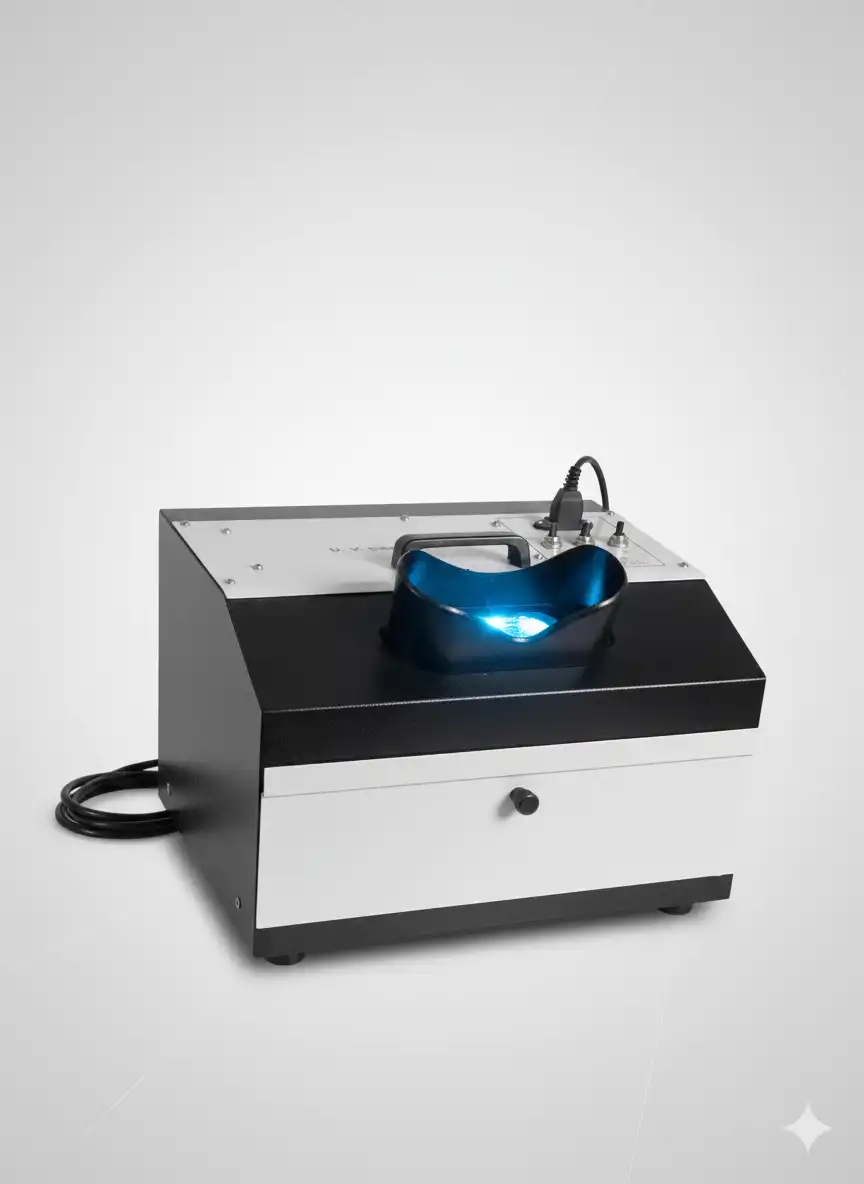
Ultraviolet (UV) resistance testing of rubber samples is performed to evaluate how well a rubber compound withstands prolonged exposure to sunlight or artificial UV radiation. UV exposure can cause photochemical degradation, leading to surface cracking, loss of elasticity, discoloration, embrittlement, and reduction in mechanical performance.
The samle is exposed to UV radiation as per the required cycles to best simulate real life exposure. Variable factors include duration, humidity and radiation levels.
The test data is crucial for designing rubber products for outdoor and high UV exposure applications
Food Grade
Compliance with US FDA 21 CFR is mandatory for rubber products such as gaskets, seals, tubing, conveyor belts, baby articles coming in contact with food,
Testing includes extraction tests in varied media under different conditions. For a sample to be considered compliant, the quantity of extraction has to be below the persmissible limits
ASTM
US FDA 21 CFR
Humidity Resistance
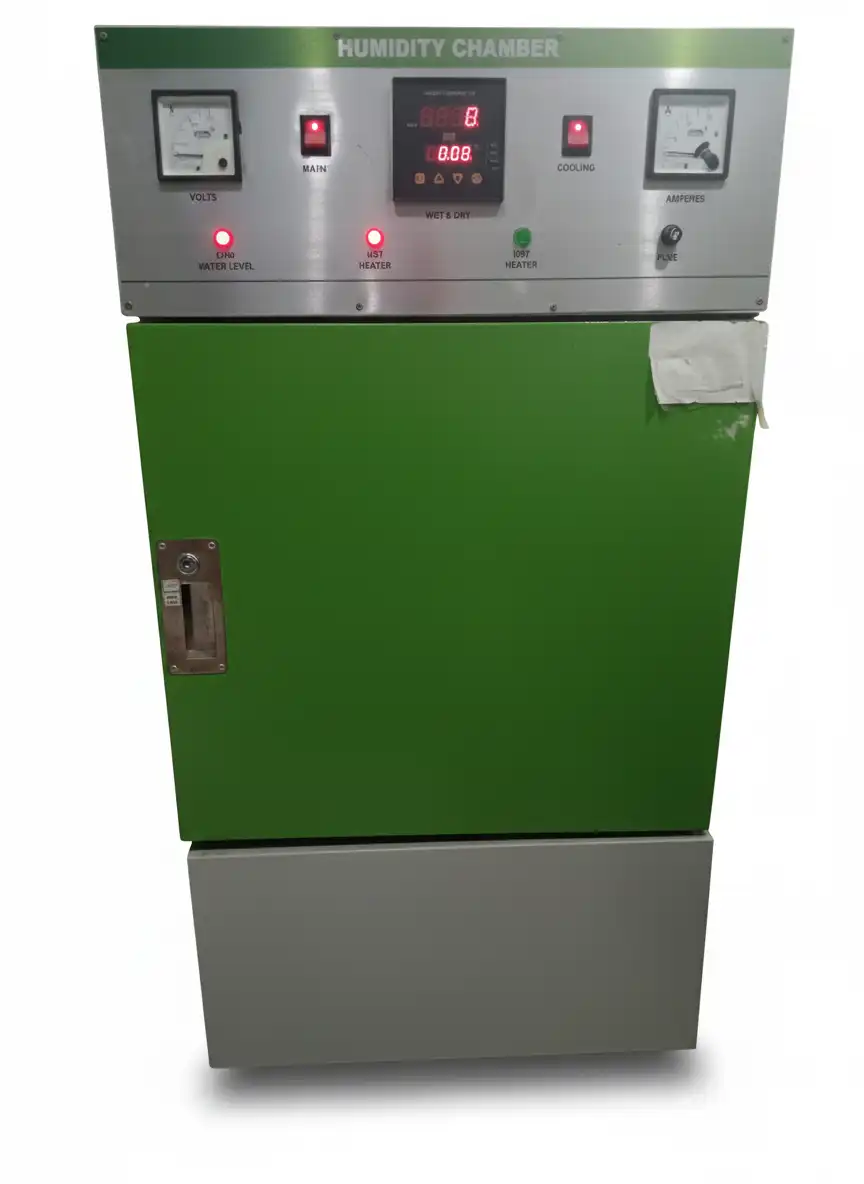
Humidity resistance testing evaluates how rubber products perform when exposed to high relative humidity, often combined with elevated temperatures and sometimes condensation. The purpose is to determine whether moisture affects the rubber’s mechanical properties, electrical resistance, appearance or dimensional stability.
The samples are tested in a humidifier which can simulate real life conditions such as humidity and temperature. Such testing is critical for rubbers used in outdoor, tropical, food-processing and electrical insulation applications
GCMS
Gas Chromatography–Mass Spectrometry (GC-MS) testing of rubber samples is used to identify and quantify volatile, semi-volatile, and extractable organic compounds present in a rubber formulation. It is one of the most powerful analytical techniques for understanding chemical makeup, especially in failure analysis, reverse engineering, health compliance, and contamination investigations
The Gas Chromatograph separates chemical species based on volatility and polarity and the Mass Spectrometer provides molecular weight and fragmentation pattern for identification
Blooming Identification
Blooming refers to appearance of a visible surface film or crystalline deposit that migrates from within the rubber matrix to the surface over time. Blooming is often undesirable and it becomes important to identify the blooming source.
Using visual inspection and analytical techniques we help in identifying the blooming material. This is the first corrective step towards solving the blooming problem.
Free Sulphur Content
Free sulfur content refers to the amount of unreacted elemental sulfur remaining in a cured rubber compound after vulcanization. During curing, sulfur ideally reacts with the polymer chains to form crosslinks. However, incomplete cure, excess sulfur formulation, poor dispersion, or aging can leave some sulfur unbound.
Measuring free sulfur is important for performance, stability, and troubleshooting of sulfur-cured elastomers. Excess free sulfur can lead to post-curing, blooming, poor aging performance, or dimensional instability, making it an important parameter in quality control and compound optimization.
Using analytical techniques we measure the free sulphur content in a rubber sample.